
How to Prepare Your Roof for Hurricane Season
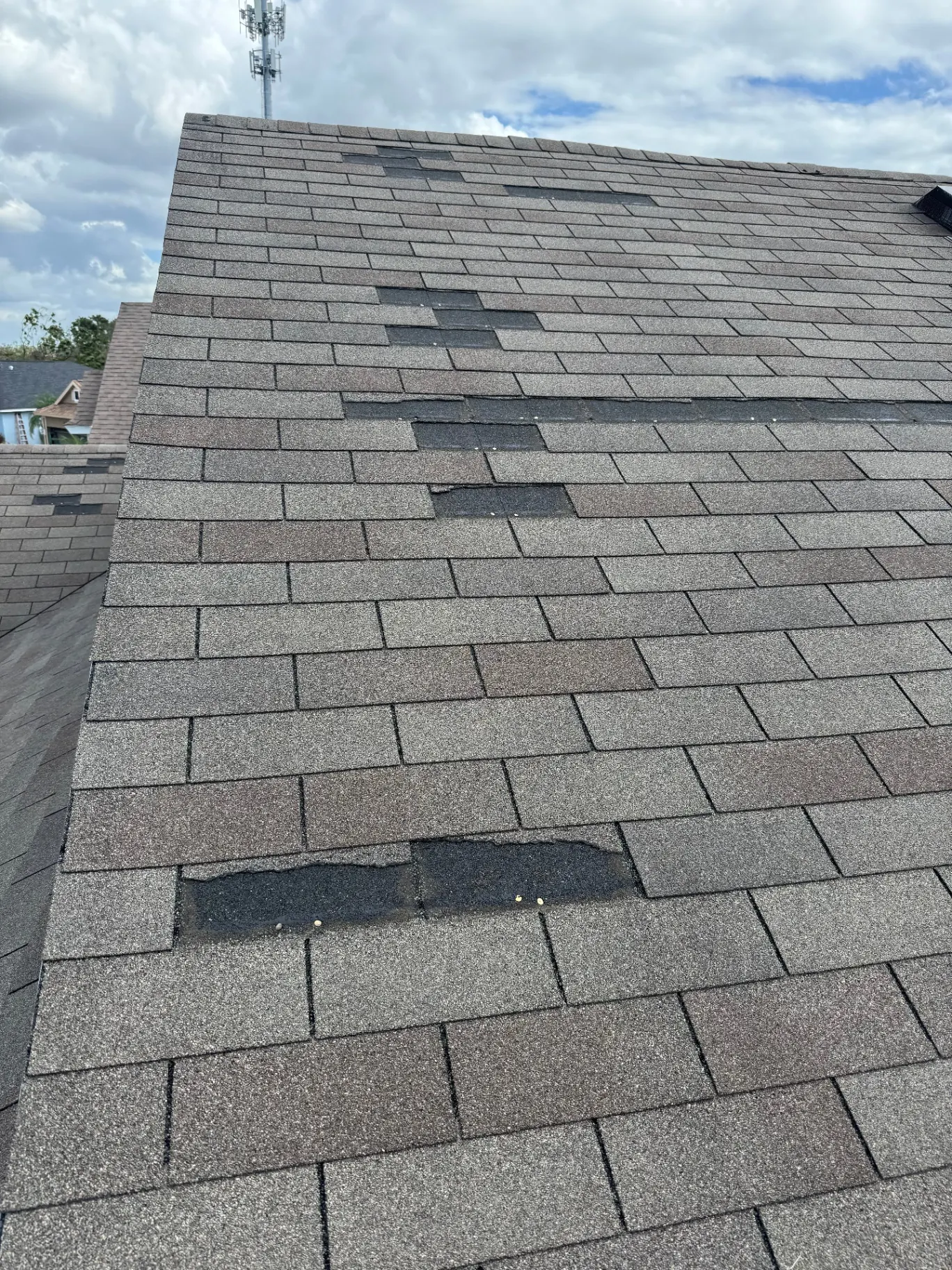
Hurricane season runs from June 1 through November 30 in Florida, with peak activity in August and September. Your roof is your home's first line of defense against these powerful storms. Here's your comprehensive guide to preparing your Tampa Bay roof for hurricane season.
Start Early: Spring Preparation (March-May)
Don't wait until a storm is approaching. Begin preparation in early spring when contractors are available and weather is favorable for roof work.
1. Schedule a Professional Roof Inspection
This is your most important first step. A professional inspection will identify:
- Loose or missing shingles that could blow off
- Damaged flashing around chimneys and vents
- Compromised roof deck areas
- Inadequate roof-to-wall connections
- Weak points that need reinforcement
Timeline: Schedule your inspection in March or April, well before hurricane season begins. This gives you time to complete needed repairs.
2. Complete All Necessary Repairs
Address every issue identified in your inspection, prioritizing:
- Critical: Missing shingles, damaged flashing, roof leaks
- High Priority: Loose materials, deteriorated sealants
- Important: Worn areas that could fail under stress
3. Reinforce Weak Points
Consider upgrades in vulnerable areas:
- Install hurricane straps to secure roof to walls
- Add extra fasteners in high-wind zones (edges, corners, ridges)
- Seal all roof penetrations with hurricane-rated sealant
- Upgrade to impact-resistant shingles if replacing sections
- Reinforce or replace deteriorated roof decking
Early Season Maintenance (May-June)
4. Clean and Secure Gutters
Clogged gutters can cause water backup and become projectiles in high winds:
- Remove all leaves, debris, and granules
- Ensure downspouts drain away from foundation
- Check that gutters are securely fastened
- Replace any loose or damaged gutter sections
- Consider gutter guards to prevent clogs
5. Trim Trees and Remove Hazards
Falling branches cause significant roof damage during storms:
- Trim branches within 10 feet of your roof
- Remove dead or diseased trees near your home
- Cut back overhanging limbs
- Clear your yard of loose items that could become projectiles
6. Check Attic Ventilation
Proper ventilation prevents pressure buildup that can lift your roof:
- Ensure ridge vents are clear and functioning
- Check that soffit vents aren't blocked by insulation
- Verify attic fans are working properly
- Look for signs of moisture or inadequate airflow
As Hurricane Season Progresses (June-November)
7. Regular Visual Inspections
Monthly visual checks help you catch new problems:
- Walk your property and look up at your roof
- Use binoculars to check for loose shingles
- Look for new cracks or damage
- Check that flashing remains sealed
- Document any changes with photos
8. Monitor Weather Forecasts
Stay informed throughout hurricane season:
- Track tropical systems in the Atlantic
- Know your evacuation zone
- Have your contractor's emergency number saved
- Keep emergency tarps and supplies on hand
When a Storm Approaches (72-Hour Prep)
72 Hours Before Landfall
- Take photos of your roof from all angles (for insurance)
- Document your home's condition inside and out
- Clear gutters one final time
- Secure loose items in your yard
- Move patio furniture and potted plants inside
48 Hours Before Landfall
- Install storm shutters or board windows
- Bring in all outdoor items
- Fill bathtubs with water (if power fails)
- Charge all electronic devices
- Review your evacuation plan
24 Hours Before Landfall
- Turn off utilities if advised
- Move to interior room or evacuate if ordered
- Have emergency kit ready
- Keep important documents in waterproof container
After the Storm Passes
Immediate Actions
- Wait for all-clear from authorities
- Check for downed power lines - stay away!
- Inspect your roof from the ground only
- Document all damage with photos and videos
- Place tarps on obvious leaks to prevent further damage
Professional Assessment
Even if you don't see obvious damage:
- Schedule a professional inspection within 48 hours
- Hidden damage can worsen quickly
- Early detection helps with insurance claims
- Professional documentation strengthens your claim
Hurricane-Resistant Roofing Options
If you're due for a replacement, consider these hurricane-resistant options:
Impact-Resistant Shingles
- UL 2218 Class 4 rating (highest impact resistance)
- Wind ratings up to 130 mph
- Insurance discounts often available
- Better performance in hail and debris impacts
Metal Roofing
- Standing seam rated for 140+ mph winds
- Interlocking panels resist uplift
- No individual shingles to blow off
- 50+ year lifespan
Tile Roofing
- Extremely heavy (resists wind uplift)
- Impact-resistant when properly installed
- 50+ year lifespan
- Excellent wind performance
Insurance Considerations
Protect yourself financially:
- Review your policy before hurricane season
- Understand your deductible (especially hurricane deductible)
- Know what's covered vs. excluded
- Keep documentation of all roof maintenance
- Update your policy if you make improvements
- Consider flood insurance (separate from homeowners)
Emergency Supplies Checklist
Keep these items ready for roof emergencies:
- Heavy-duty tarps (multiple sizes)
- Rope and bungee cords
- Plywood sheets
- Roofing nails and hammer
- Waterproof tape
- Buckets for leaks
- Flashlights and batteries
- Camera for documentation
Get Hurricane-Ready Now
Don't wait until a storm is approaching. Schedule your free pre-season roof inspection today and ensure your home is protected.